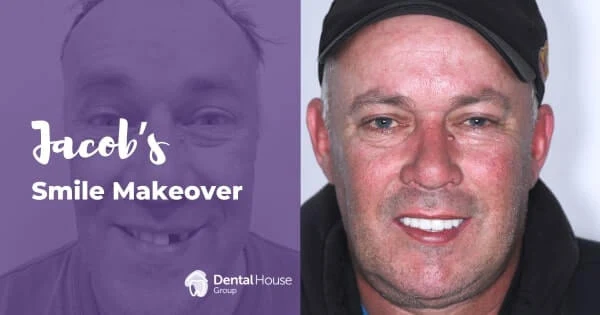
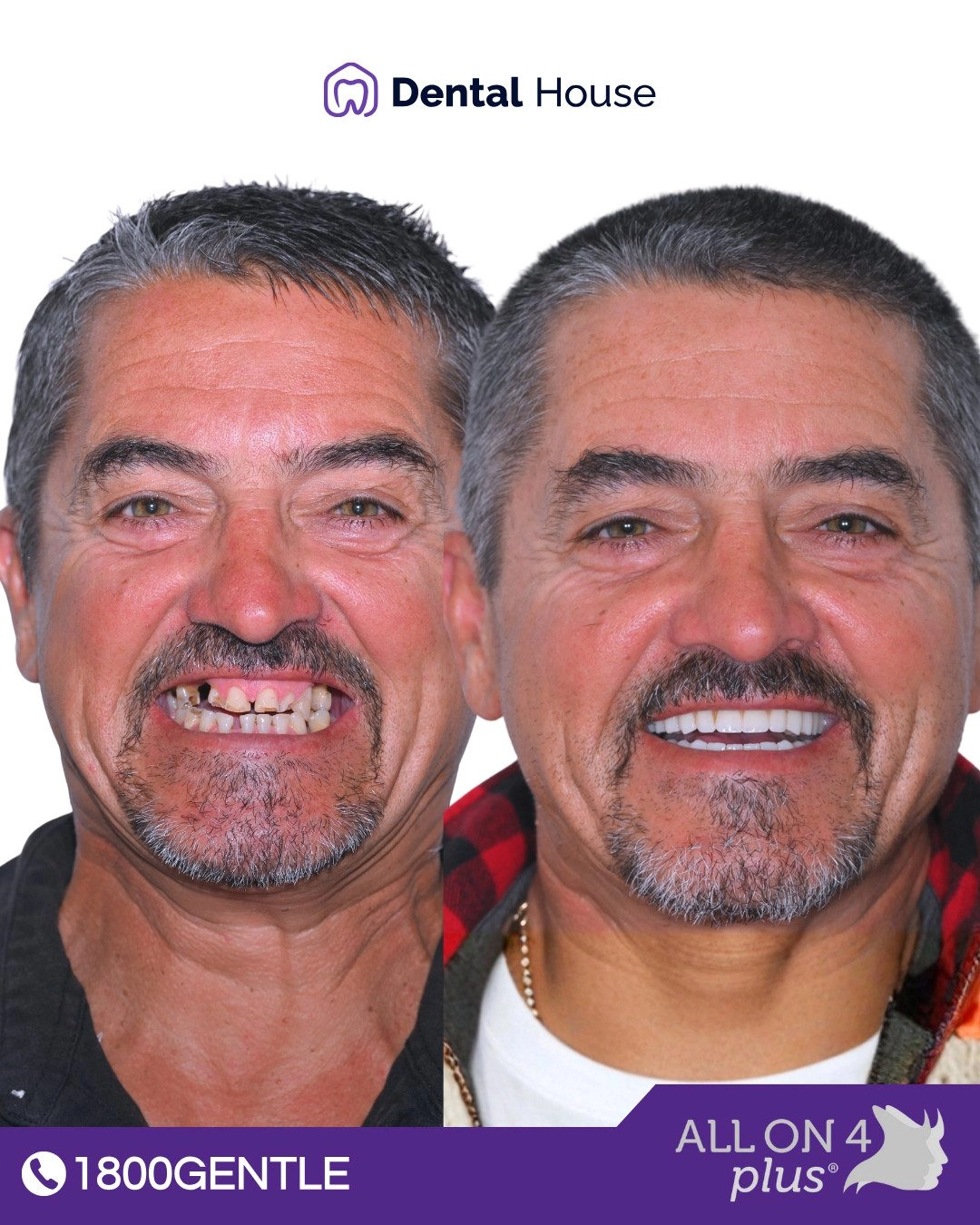
Jacob of Melbourne’s All-on-4 JourneyRead more


Considering wisdom teeth removal? At Diggers Rest Dental House, we assess each case individually to determine whether extraction is necessary and what the process involves for your specific situation.
Wisdom teeth don’t always need to come out. But when they’re impacted, partially erupted, causing crowding, or creating conditions for infection or decay, leaving them in place tends to make things worse over time.
Wisdom teeth removal is an oral surgery procedure to extract third molars that are causing problems or are likely to cause future complications. Wisdom teeth typically emerge in the late teens or early twenties, and often lack the space to erupt properly, becoming impacted against adjacent teeth or trapped partially beneath the gum.
The procedure involves accessing the tooth through gum tissue, removing bone if necessary, sectioning the tooth where needed, and extracting it. Local anaesthetic, sedation, or general anaesthesia may be used depending on case complexity and patient needs. Multiple teeth can often be removed in a single appointment. Recovery requires careful post-operative management, and individual healing varies.
Removal may be appropriate if the following apply, though individual assessment is always needed to confirm.
Surgical complexity varies based on tooth position and impaction severity, but most patients can expect the following stages:

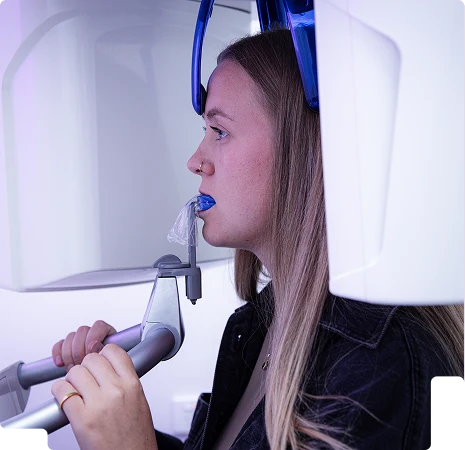
Detailed examination with panoramic X-rays to evaluate tooth position, root development, and proximity to nerves and adjacent structures. (1 appointment, typically 45-60 minutes)

The surgical approach is determined, anaesthesia options discussed, and detailed pre-operative instructions provided. (Same visit or separate pre-operative consultation)

Pre-surgical instructions are followed, appropriate anaesthesia administered, and the surgical site prepared. (Day of surgery, typically 30-45 minutes preparation)

Wisdom teeth are carefully accessed, bone removed where necessary, teeth sectioned if needed, extracted, and the sites sutured closed. (Same appointment, typically 30-90 minutes depending on complexity)

Bleeding is controlled, post-operative instructions provided, pain relief prescribed, and follow-up appointments scheduled. (Same day, typically 30 minutes)

Healing progress is reviewed, any concerns addressed, sutures removed when appropriate, and final healing assessed. (Follow-up visits at 1 week and 2-3 weeks post-surgery)
Wisdom teeth removal is a well-established oral surgery procedure, though there are risks and a meaningful recovery period to understand before proceeding.
Possible risks include:
Recovery considerations:

This depends on the number of teeth being removed and how complex the impaction is, typically ranging from 30 to 90 minutes. Straightforward extractions are quicker, while deeply impacted teeth require more time and care.
This varies depending on surgical complexity and individual healing. Light activities can often resume within a few days, but strenuous activity should be avoided for at least a week to reduce the risk of complications and support proper healing.
Dry socket occurs when the blood clot at the extraction site is lost, exposing the bone and causing significant pain. Following post-operative instructions carefully, avoiding smoking, and being gentle with oral care all help reduce the risk, though it can occur even with proper care.
We offer flexible payment plans to suit your budget. Get the dental care you need, when you need it.



If your wisdom teeth are causing problems or you've been told they may need to come out, get in touch with our Diggers Rest team today to arrange an assessment.
Disclaimer: The material posted is for informational purposes only and is not intended to substitute for professional medical advice, diagnosis or treatment. Results vary with each patient. Any dental procedure carries risks and benefits. If you have any specific questions about any dental and/or medical matter, you should consult your dentist, physician or other professional healthcare providers.