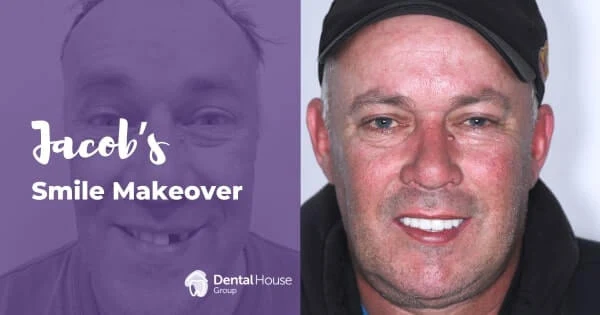
Jacob of Melbourne’s All-on-4 JourneyRead more
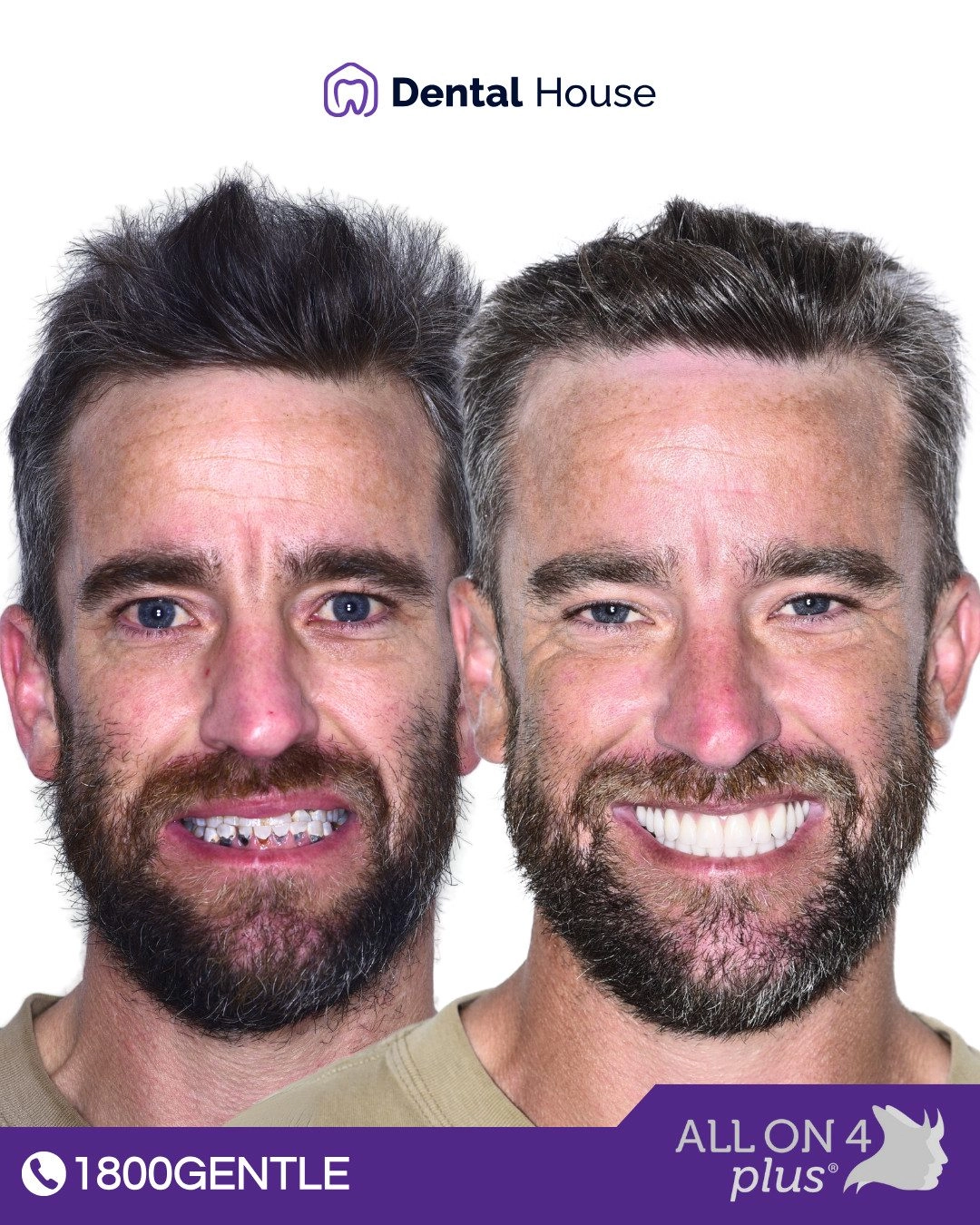
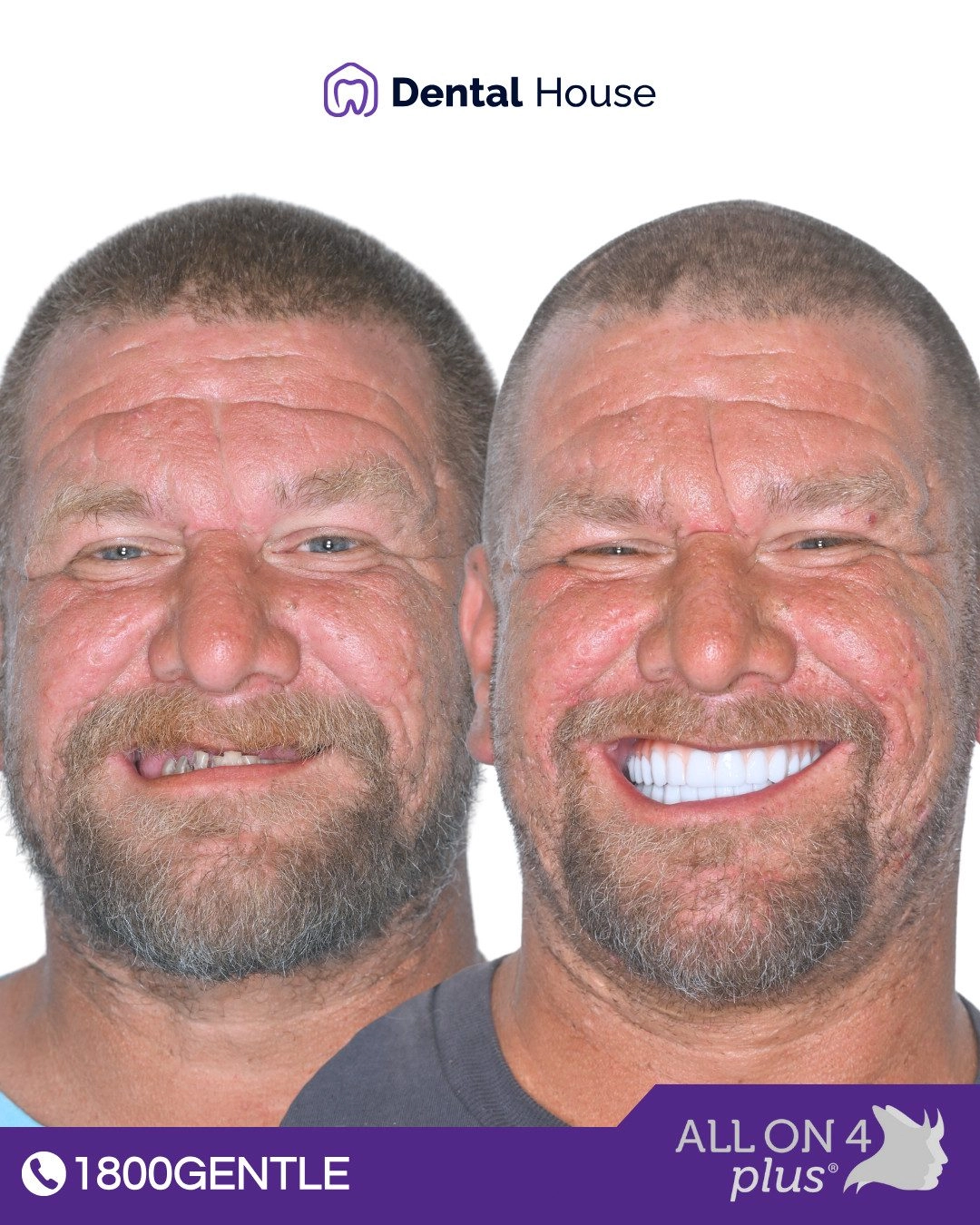
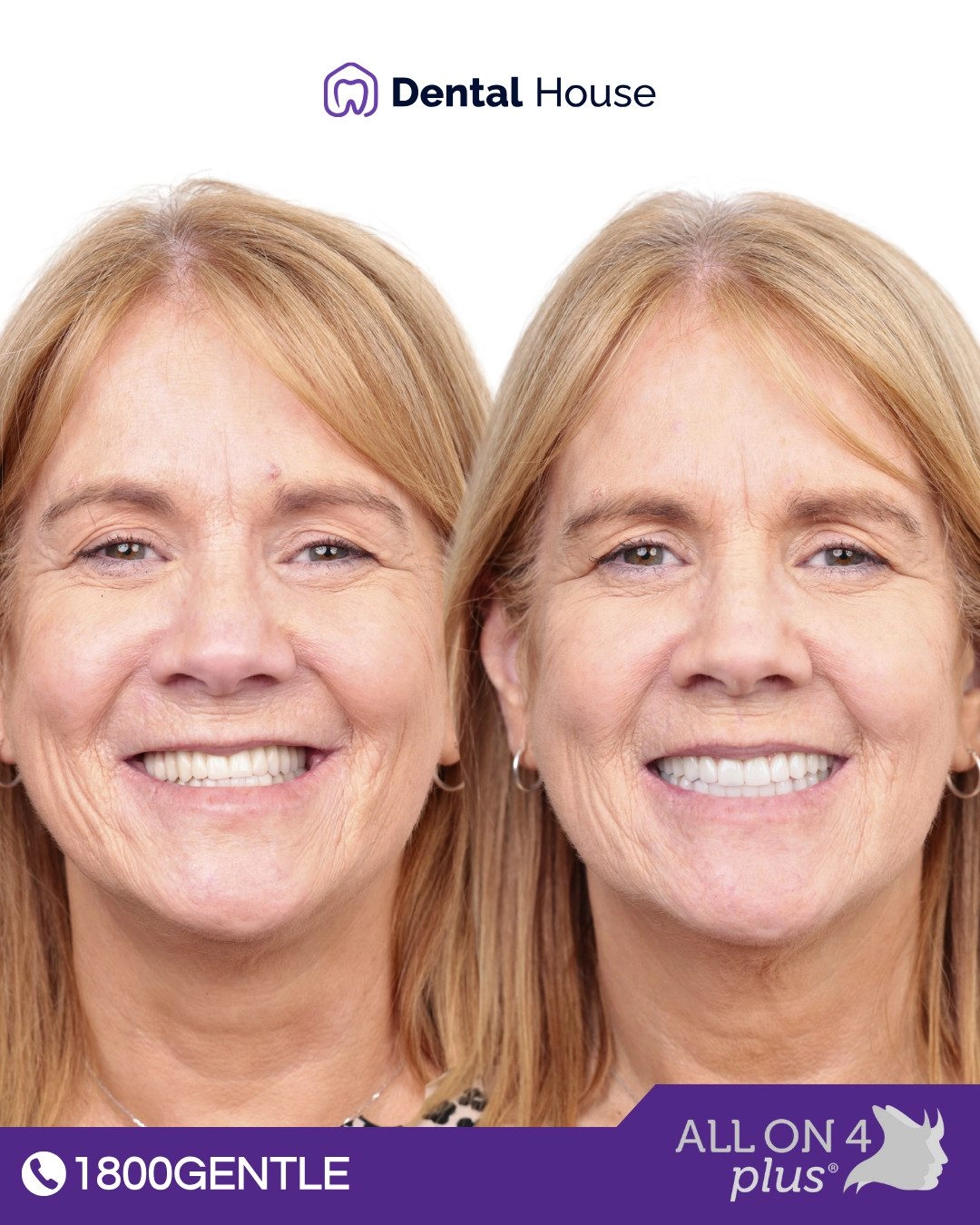
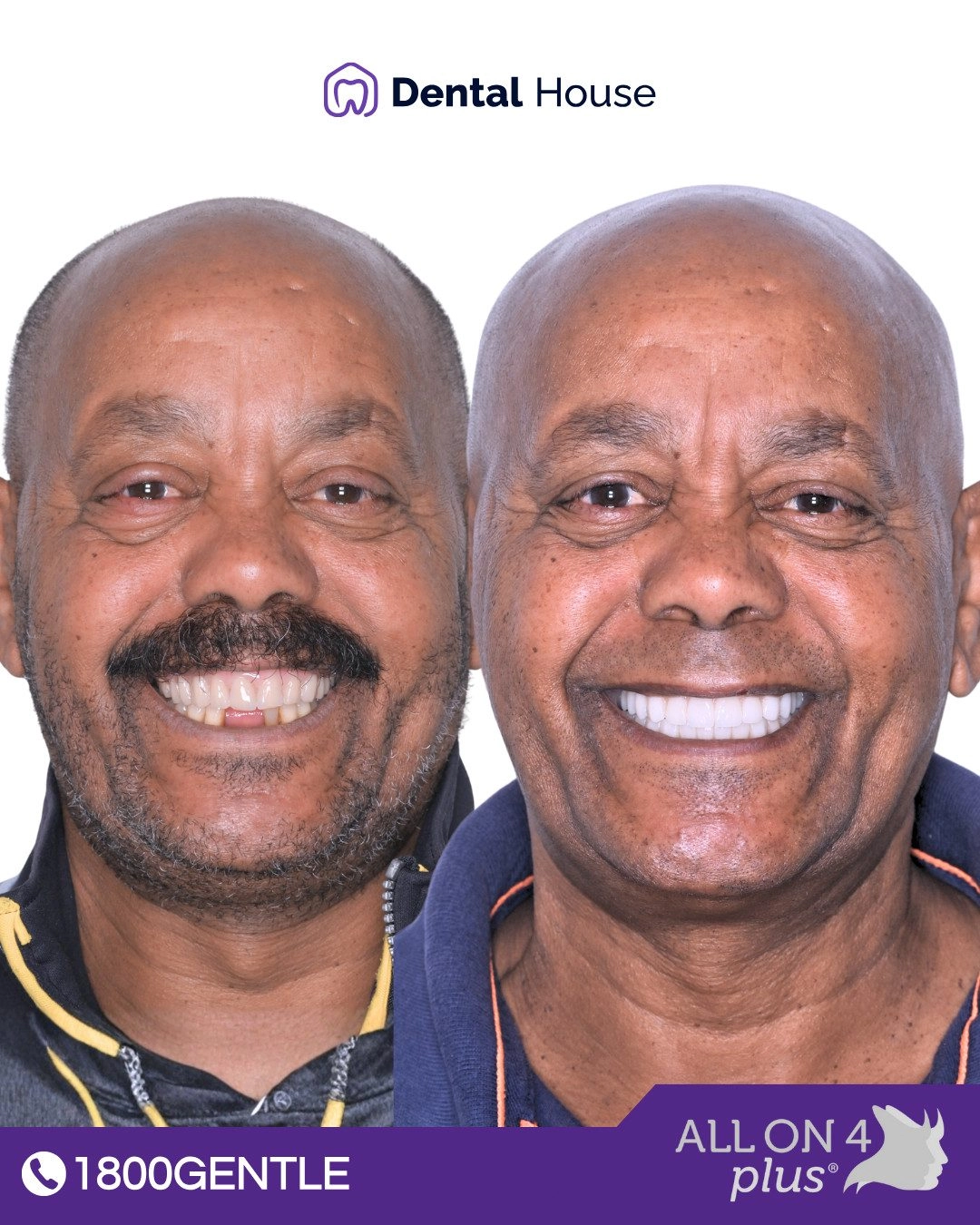
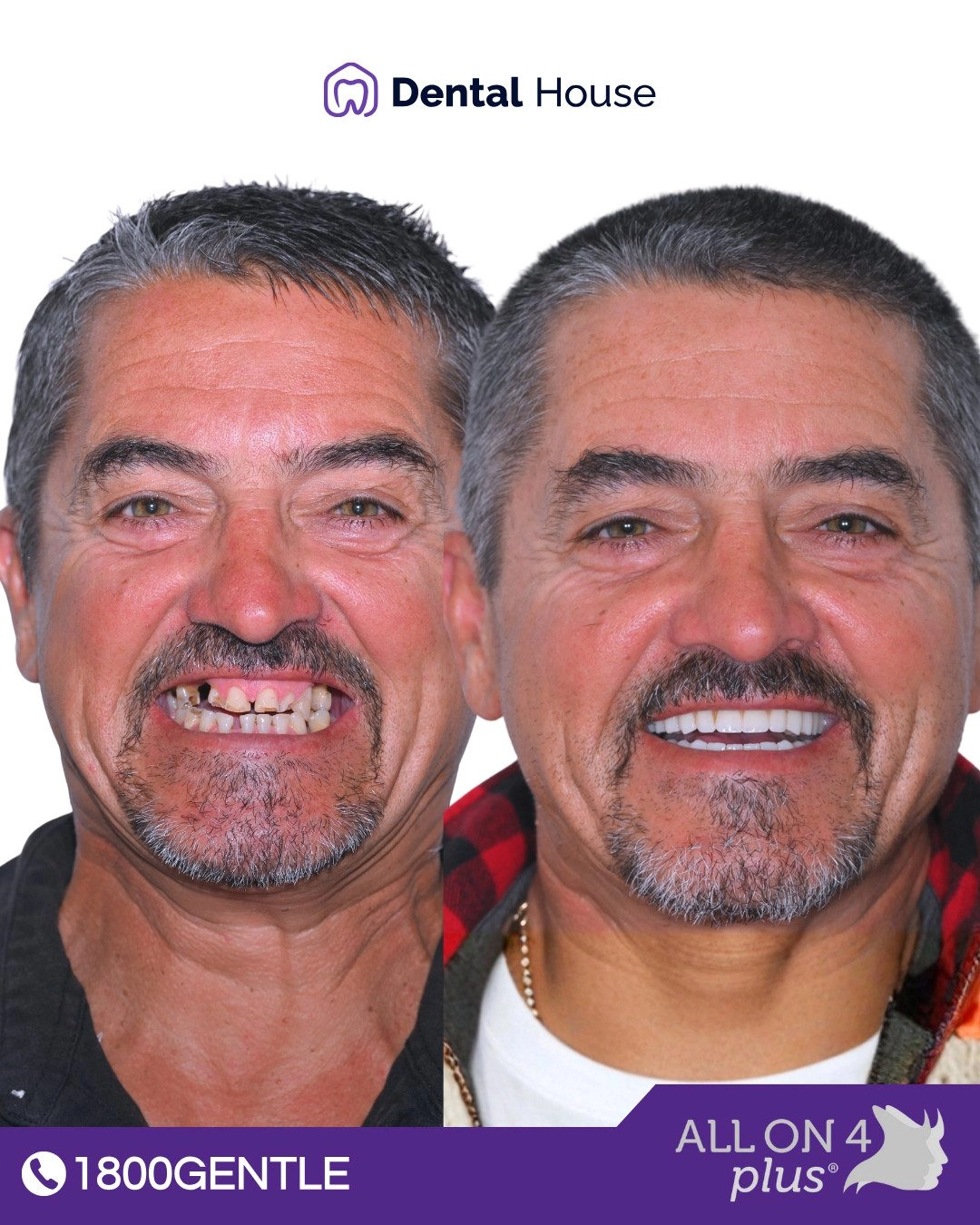
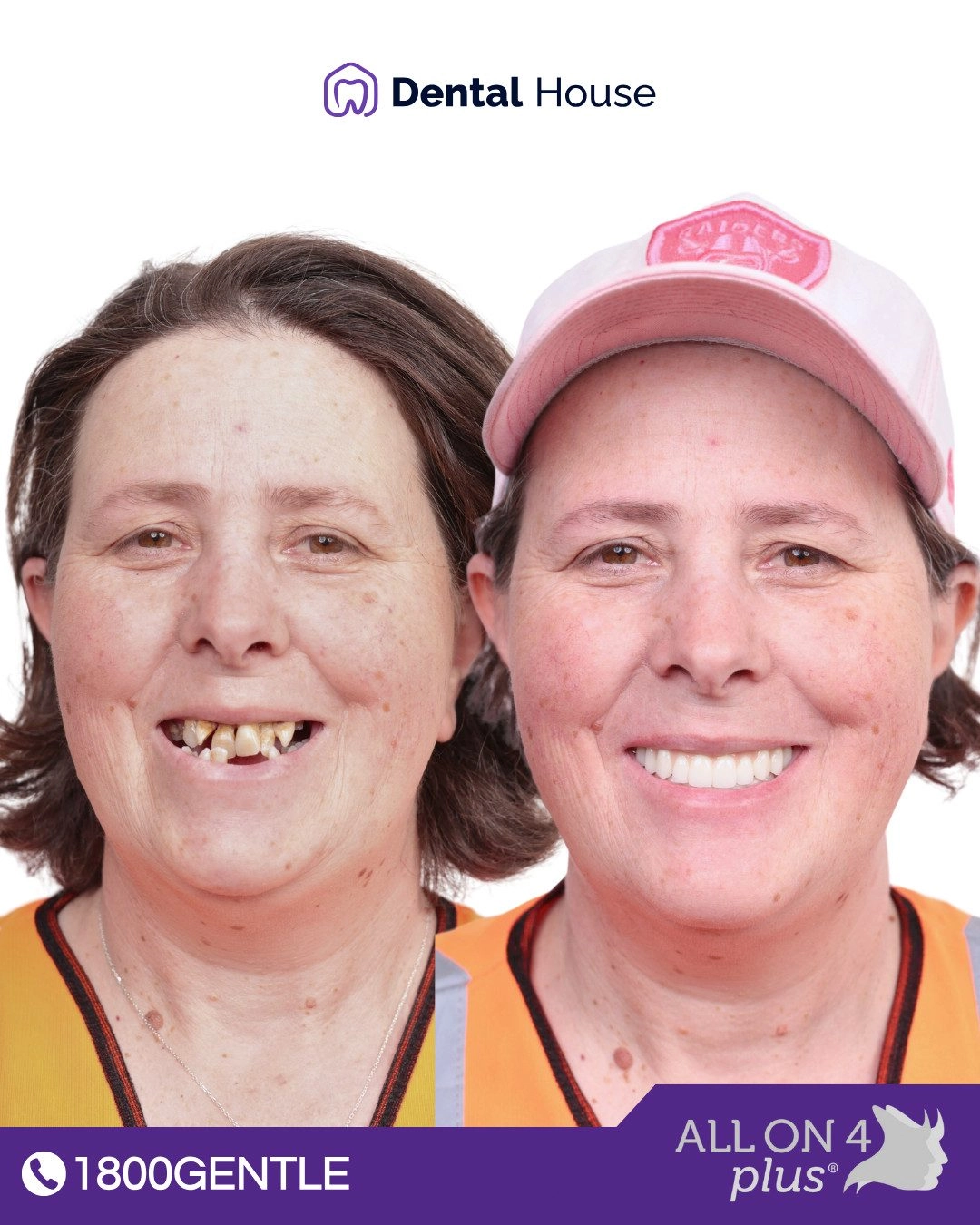
Dealing with a damaged, decayed, or worn tooth? At Diggers Rest Dental House, we assess each situation individually to determine the most appropriate way to address the damage and restore how the tooth functions.
Decay, trauma, and wear don’t resolve on their own. Left unaddressed, damage tends to progress, and what might have been a straightforward filling can become a more involved treatment over time. Getting the right assessment early generally means more options.
Tooth restoration covers the range of dental treatments used to address damaged, decayed, or worn teeth. This includes both direct restorations, such as fillings placed in a single visit, and indirect restorations, such as crowns, bridges, inlays, and onlays fabricated in a laboratory and fitted at a subsequent appointment.
The process involves removing damaged tooth structure, preparing the tooth appropriately, and replacing lost structure with materials suited to the situation, such as composite resin, porcelain, or metal alloys. Treatment selection depends on the extent of damage, the tooth’s location, and individual factors discussed during your assessment.
Restorative treatment may be appropriate in the following circumstances, though individual assessment always determines the right path forward.
Treatment duration depends on restoration complexity and whether direct or indirect methods are used, but most patients can expect the following stages:

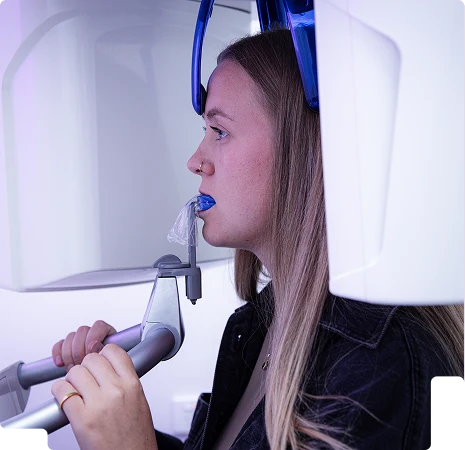
Detailed examination with digital X-rays to evaluate the extent of damage, determine restoration needs, and discuss the options available. (1-2 appointments, typically 60-90 minutes each)

A personalised restoration plan is developed, with any underlying issues addressed first to support long-term success. (Completed during assessment or a follow-up visit)

Damaged or decayed portions are carefully removed and the tooth is prepared for restoration, under local anaesthetic. (1 appointment for direct restorations, or first visit for indirect, typically 60-120 minutes)

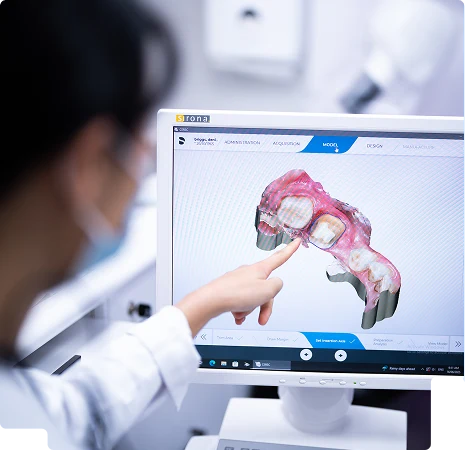
For direct restorations, material is placed immediately. For indirect restorations, detailed impressions are taken and a temporary restoration fitted. (Same visit for direct, or with 2-3 week laboratory period for indirect)

Your custom restoration is crafted by a dental technician using high-quality materials matched to your natural teeth. (Typically 2-3 weeks between appointments)

Your completed restoration is carefully fitted, adjusted for comfort and bite function, and aftercare instructions are provided. (1 appointment, typically 60-90 minutes for indirect restorations)
Tooth restorations are well-established treatments, though there are risks worth understanding before proceeding.
Possible risks include:
Recovery expectations:

Direct restorations like fillings are completed in a single appointment. Indirect restorations like crowns and bridges are made in a laboratory and require at least two visits. We’ll recommend the most appropriate approach based on the extent of damage and your individual circumstances.
Longevity varies depending on material type, the location of the tooth, bite forces, and how well the restoration is maintained. Regular check-ups allow us to monitor condition and address any issues early.
It may feel slightly different at first as you adjust to the new surface and shape. Most patients adapt within days. If the bite feels off or discomfort persists, we’ll make the necessary adjustments.
We offer flexible payment plans to suit your budget. Get the dental care you need, when you need it.



If you have a tooth that needs attention, get in touch with our Diggers Rest team today to arrange a consultation.
Disclaimer: The material posted is for informational purposes only and is not intended to substitute for professional medical advice, diagnosis or treatment. Results vary with each patient. Any dental procedure carries risks and benefits. If you have any specific questions about any dental and/or medical matter, you should consult your dentist, physician or other professional healthcare providers.