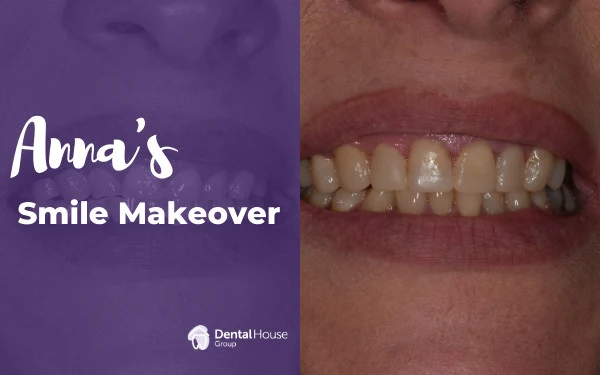
Jacob of Melbourne’s All-on-4 JourneyRead more






Considering an implant-supported bridge? At Diggers Rest Dental House, we assess each case individually to determine whether this approach is appropriate for your circumstances.
A gap of several teeth in a row creates challenges that compound over time. Without roots to stimulate the jaw, bone loss tends to progress, remaining teeth may drift toward the gap, and chewing function is often affected.
Implant bridges use strategically placed implants to support a fixed restoration spanning multiple consecutive missing teeth, without needing an individual implant for each tooth. Typically, two or more implants are positioned at either end of the gap, with false teeth suspended between them.
Unlike traditional bridges, this approach preserves the adjacent healthy teeth and may help maintain bone density through osseointegration. Suitability depends on bone volume, gum health, and other individual factors assessed during consultation.
An implant bridge may be worth exploring if the following apply to your situation, though clinical assessment always determines suitability.
Timelines vary depending on bone quality and the number of teeth being replaced, but most patients can expect the following stages:

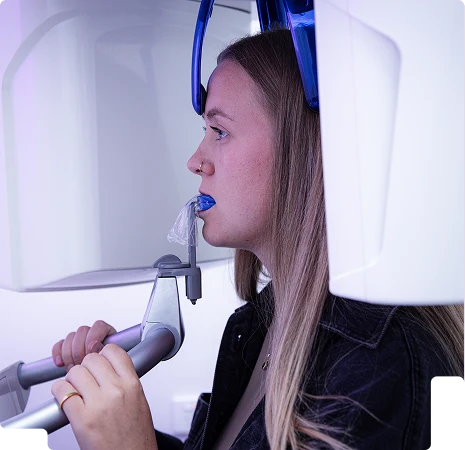
Detailed examination with diagnostic imaging to evaluate bone density, spacing, and optimal implant positioning for stable bridge support. (1 appointment, typically 60-90 minutes)

Discussion of implant positioning, bridge design, alternative options, timeline, and any preparatory steps such as bone grafting if required. (Same visit or follow-up, typically 45-60 minutes)

Supporting implants are positioned at strategic locations under local anaesthetic, with sedation options available for patients who experience dental anxiety. (1 appointment, typically 90-120 minutes)

Implants gradually bond with the surrounding bone over several months before bridge placement. Temporary options are available during this period. (Usually 3-6 months, with regular check-ins)

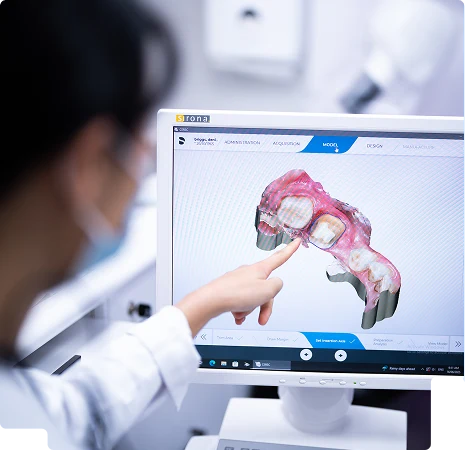
Digital impressions are taken and a custom bridge is created to address the gap naturally, with a trial fitting to confirm fit and function. (2-3 appointments over 3-4 weeks)

The bridge is securely attached to the integrated implants, followed by regular monitoring and professional cleaning appointments. (Ongoing appointments, typically every 6 months)
Implant bridge placement involves surgery and carries risks that are important to understand before proceeding.
Potential risks include:
Recovery expectations:


This depends on the number of consecutive teeth being replaced and the available bone at potential implant sites. Typically, two to three implants can support a bridge replacing three to four teeth, though individual planning determines the most appropriate approach for your situation.
A traditional bridge requires preparing healthy adjacent teeth as anchors and doesn’t address the underlying bone loss. An implant bridge is supported by implants placed directly into the jawbone, leaving adjacent teeth untouched and potentially helping maintain bone density over time.
Implant bridges are generally most suited to replacing three to five consecutive missing teeth. Larger gaps may require additional implants or a different approach altogether, which your team will determine during your assessment.
We offer flexible payment plans to suit your budget. Get the dental care you need, when you need it.



Your first step is a straightforward conversation about your circumstances and whether an implant bridge may be appropriate for you. Get in touch with our Diggers Rest team today.
Disclaimer: The material posted is for informational purposes only and is not intended to substitute for professional medical advice, diagnosis or treatment. Results vary with each patient. Any dental procedure carries risks and benefits. If you have any specific questions about any dental and/or medical matter, you should consult your dentist, physician or other professional healthcare providers.