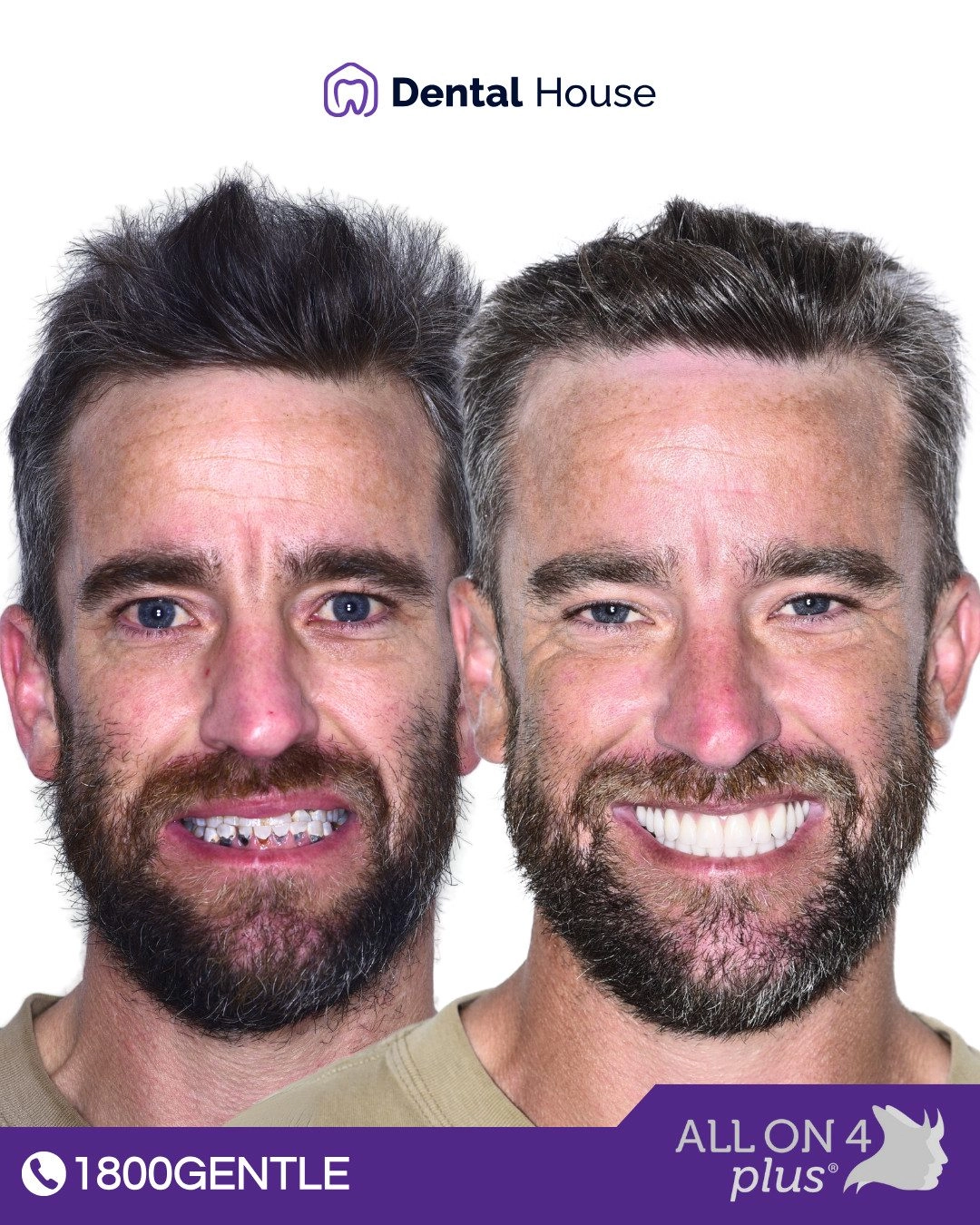
Jacob of Melbourne’s All-on-4 JourneyRead more



Considering periodontal treatment? At Diggers Rest Dental House, we assess each case thoroughly to determine the most appropriate approach for managing gum disease and protecting the structures that support your teeth.
Periodontal disease doesn’t just affect the gums. Left unmanaged, it can damage the bone and connective tissue supporting your teeth, eventually leading to tooth loss. It has also been associated with broader health concerns, which makes early and consistent management important.
Periodontal treatment covers a range of therapeutic approaches designed to manage gum disease, control bacterial infection, and preserve the supporting structures of teeth. Treatment typically begins with non-surgical scaling and root planing to remove bacterial deposits and smooth root surfaces, creating conditions for healing.
Where non-surgical treatment doesn’t achieve adequate disease control, surgical intervention may be considered for more advanced cases. The approach selected depends on disease stage, individual health status, and how well the tissues respond to initial therapy. Periodontal disease is generally managed rather than cured, and ongoing professional maintenance is a necessary part of keeping it under control long term.
Periodontal treatment may be appropriate if the following apply, though individual clinical assessment is always required first.
Treatment varies significantly depending on disease severity and individual response, but most patients can expect the following stages:

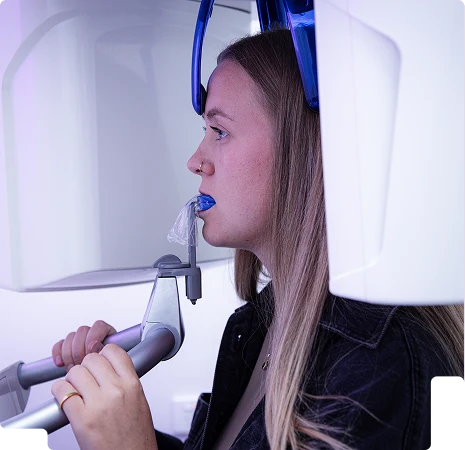
Detailed examination with gum measurements and X-rays to evaluate disease extent, severity, and supporting bone levels. (1-2 appointments, typically 90-120 minutes total)

Disease stage is established, treatment goals are set, and a personalised therapy sequence is developed. (Same visit or follow-up consultation)

Scaling and root planing to remove bacterial deposits and smooth root surfaces, under local anaesthetic. (2-4 appointments depending on extent, typically 60-90 minutes per quadrant)

Initial healing is monitored and treatment response assessed to determine whether additional therapy is needed. (Follow-up visit 4-6 weeks after initial therapy)

Surgical intervention may be recommended if non-surgical therapy alone doesn't achieve adequate disease control. (Additional visits as needed based on individual response)

A long-term maintenance schedule is established with regular professional cleaning and monitoring to support disease control over time. (Ongoing appointments every 3-6 months depending on individual needs)
Periodontal treatment is well established, though there are risks and recovery considerations to understand before proceeding.
Possible risks include:
Recovery considerations:


Early signs include bleeding gums, swelling, recession, or persistent bad breath. However, periodontal disease can progress significantly without obvious symptoms. Regular professional examinations are the most reliable way to detect it early and intervene before it advances.
Some discomfort following placement and adjustments is normal and typically lasts a few days. Most patients adapt well to their appliances, and any discomfort is generally manageable with over-the-counter pain relief as needed.
Treatment duration varies significantly based on case complexity, age, and the appliance used, typically ranging from 12 to 36 months. We’ll provide a realistic estimate based on your individual assessment rather than a general timeframe.
We offer flexible payment plans to suit your budget. Get the dental care you need, when you need it.



If you have concerns about gum disease or have been told you need periodontal treatment, get in touch with our Diggers Rest team today to arrange a consultation.
Disclaimer: The material posted is for informational purposes only and is not intended to substitute for professional medical advice, diagnosis or treatment. Results vary with each patient. Any dental procedure carries risks and benefits. If you have any specific questions about any dental and/or medical matter, you should consult your dentist, physician or other professional healthcare providers.