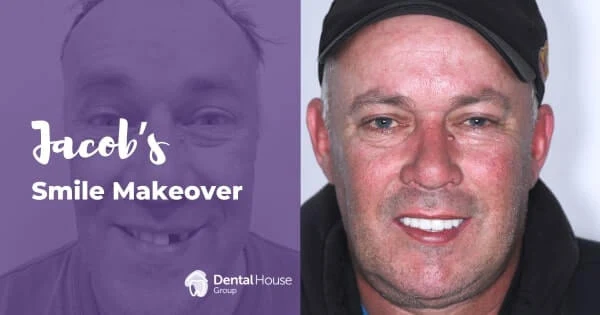
Jacob of Melbourne’s All-on-4 JourneyRead more
If aligners alone aren’t cutting it, your dentist might add attachments or elastics, or bring up other options like braces. That’s exactly why progress checks happen throughout, so adjustments happen early rather than too late.
Yes, plenty of adults go through overbite correction. It can take a touch longer since jaw growth has finished by then, but it’s a common, realistic path.
The price depends on the severity of the overbite and how long treatment takes. Check our cost sheet for a general guide, though your final cost is only confirmed after an assessment.
It is not always necessary. Since mild overbites in some cases only need aligners, moderate to severe overbites usually require the use of small attachments or elastic bands to help.
The truth is, it’s impossible to figure it out without consulting an expert. A dentist’s examination, possibly with the help of some X-ray imaging, is required to determine whether it is the position of the teeth or the structure of the jaw.
In some cases, extreme overbites, especially those that are skeletal, must be treated with elastics, attachments, or, in some instances, braces or jaw surgery. A dentist is the only one who can make this decision after a full examination.
Dry socket occurs when the blood clot at the extraction site is lost, exposing the bone and causing significant pain. Following post-operative instructions carefully, avoiding smoking, and being gentle with oral care all help reduce the risk, though it can occur even with proper care.
Yes, dental bonding is reversible. Because the procedure typically requires minimal or no tooth preparation, the bonding material can be removed and your natural teeth remain largely intact. This reversibility represents an advantage if you later decide to pursue orthodontic treatment or porcelain veneers instead. However, removal should be performed by a dental professional to avoid damaging natural tooth structure.
Maintenance requirements depend on treatments received but typically include excellent daily oral hygiene, regular professional cleanings, protective appliances if needed, and ongoing monitoring. We’ll provide comprehensive maintenance instructions specific to your treatment plan.
Most comprehensive smile treatment requires sequenced treatment delivery for appropriate results and healing. Some treatments must be completed before others can begin. We’ll create a treatment schedule that prioritises your safety and appropriate outcomes.
Treatment timelines vary significantly based on treatments included, healing requirements, and individual circumstances. Comprehensive treatment often takes 6-18 months or longer. We can’t predict specific timeframes but will provide realistic estimates during your consultation.
We’ll explain any findings clearly, walk you through your options, and help you plan appropriate next steps. Finding something early typically means a simpler path forward than waiting until a problem has developed further.