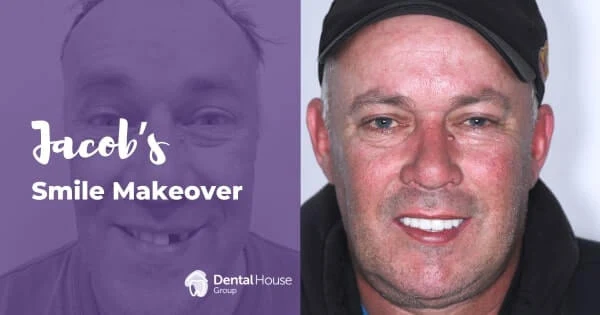
Jacob of Melbourne’s All-on-4 JourneyRead more
Considering cosmetic bonding? At Diggers Rest Dental House, we assess minor tooth concerns carefully to determine whether bonding is the most appropriate approach for your situation.
Small chips, gaps, surface irregularities, or worn edges don’t always require extensive treatment. For minor concerns where the underlying tooth structure is sound, cosmetic bonding can be worth exploring as a conservative first option.
Cosmetic bonding involves applying tooth-coloured composite resin directly to the tooth surface to address or refine its appearance. Unlike veneers or crowns, bonding typically requires minimal or no removal of natural tooth structure, and in many cases can be completed in a single visit without anaesthetic.
The composite is applied in layers, sculpted to the desired shape, hardened with a curing light, and polished to blend with surrounding teeth. Bonding is generally less durable than veneers or crowns and may need maintenance or replacement over time. Longevity depends on the location of the tooth, oral habits, and how well the restoration is looked after.
Bonding may be worth exploring if the following apply, though suitability always requires individual assessment.
Treatment complexity varies based on the number of teeth and extent of corrections, but most patients can expect the following stages:

Examination with shade matching, evaluation of the concerns to be addressed, and discussion of treatment options and realistic expectations. (1 appointment, typically 30-45 minutes)

The most appropriate approach for your specific concerns is determined, shade is selected, and any minimal tooth preparation is carried out if needed. (Same visit, additional 15-30 minutes)

Tooth surfaces are lightly etched and conditioned to ensure the composite material bonds properly to the natural tooth structure. (Same visit, typically 10-15 minutes per tooth)

Tooth-coloured resin is applied in layers, carefully shaped to achieve the desired contour, then hardened with a curing light. (Same visit, typically 20-45 minutes per tooth depending on complexity)

The bonded material is refined and contoured to blend naturally with surrounding teeth and function appropriately with your bite. (Same visit, typically 15-30 minutes per tooth)

The bonding is polished to a natural finish, the bite is checked and adjusted if needed, and care instructions are provided. (Same visit, typically 10-20 minutes)

Cosmetic bonding is a conservative treatment, but there are risks and limitations worth understanding before proceeding.
Potential risks include:
Recovery expectations:

Durability varies depending on the tooth’s location, size of the bonded area, oral habits, and ongoing care. Bonding typically lasts 3-7 years before needing touch-up or replacement. We’ll give you a realistic picture during your consultation rather than a specific guarantee.
Bonding works well for minor corrections and conservative changes. Larger concerns, significant colour changes, or more substantial shape modifications may be better suited to veneers or crowns. We’ll assess your situation and recommend the most appropriate approach.
Composite resin can pick up staining from coffee, tea, red wine, and tobacco over time. Unlike natural teeth, bonded areas cannot be whitened, and significant staining may mean the bonding needs to be replaced. Limiting staining substances helps maintain the appearance of the restoration.
We offer flexible payment plans to suit your budget. Get the dental care you need, when you need it.



If you have a minor tooth concern you'd like to address, get in touch with our Diggers Rest team today to arrange a consultation.
Disclaimer: The material posted is for informational purposes only and is not intended to substitute for professional medical advice, diagnosis or treatment. Results vary with each patient. Any dental procedure carries risks and benefits. If you have any specific questions about any dental and/or medical matter, you should consult your dentist, physician or other professional healthcare providers.