Jacob of Melbourne’s All-on-4 JourneyRead more


Considering root canal treatment? At Diggers Rest Dental House, we assess each case carefully to determine whether endodontic treatment is the right approach for preserving your tooth.
Severe tooth pain, prolonged sensitivity to temperature, swelling, or abscess formation can indicate that the pulp inside a tooth has become infected or irreversibly damaged. At that point, the infection needs to be addressed to prevent it from spreading to surrounding bone and tissue.
Root canal treatment removes infected, inflamed, or dead pulp tissue from inside a tooth’s root canals, cleans and disinfects the canal system, then seals it to prevent reinfection. The pulp contains nerves, blood vessels, and connective tissue that can become infected due to deep decay, cracks, trauma, or repeated dental procedures.
Once the canals are cleaned and sealed, a permanent restoration, usually a crown, is typically needed to protect the treated tooth and restore its function. This approach aims to eliminate infection and preserve the natural tooth rather than extracting it, though success depends on case complexity, the extent of infection, and how well the final restoration is maintained.
Root canal treatment may be appropriate if the following apply, though suitability requires individual clinical assessment.
Treatment complexity varies depending on the tooth's location and the extent of infection, but most patients can expect the following stages:

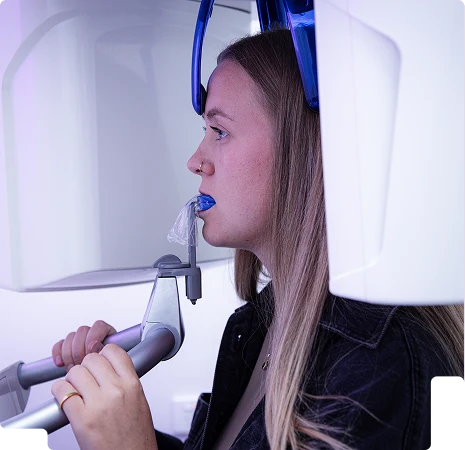
Detailed examination with X-rays and pulp testing to confirm the diagnosis and determine treatment needs. (1 appointment, typically 45-60 minutes)

Treatment options are discussed, immediate pain relief provided if needed, and appointments scheduled based on urgency and complexity. (Same visit or emergency appointment if required)

Under local anaesthetic, infected pulp is removed, canals are cleaned and shaped, and a temporary filling is placed if multiple visits are required. (1-3 appointments depending on complexity, typically 60-120 minutes per visit)

Root canals are thoroughly disinfected, dried, and filled with biocompatible sealing material, and the access opening is sealed. (Same visit or follow-up, additional 30-45 minutes)

Initial healing is reviewed, any discomfort managed, and appointments scheduled for permanent restoration placement. (Follow-up visit in 1-2 weeks, typically 30 minutes)

A permanent crown or large filling is placed to protect the treated tooth and restore full function. (Separate appointments for preparation, fabrication, and placement)
Root canal treatment is a well-established endodontic procedure, though it involves complexity and carries risks worth understanding before proceeding.
Possible risks include:
Recovery considerations:


The procedure is carried out under local anaesthetic. Some post-treatment discomfort is normal and manageable with appropriate pain relief. Most patients find the treatment relieves the pain they were already experiencing from the infection rather than causing new discomfort.
Success rates are generally high, though outcomes depend on factors including infection extent, tooth condition, and post-treatment care. Most treated teeth can function well for many years with a proper restoration and consistent maintenance, but we can’t guarantee specific outcomes for individual cases.
If treatment fails, options may include retreatment, endodontic surgery, or extraction depending on the circumstances. We’ll discuss all available options if complications arise and help you determine the most appropriate next step for your situation.
We offer flexible payment plans to suit your budget. Get the dental care you need, when you need it.



If you're experiencing tooth pain or have been advised you may need root canal treatment, get in touch with our Diggers Rest team today to arrange an assessment.
Disclaimer: The material posted is for informational purposes only and is not intended to substitute for professional medical advice, diagnosis or treatment. Results vary with each patient. Any dental procedure carries risks and benefits. If you have any specific questions about any dental and/or medical matter, you should consult your dentist, physician or other professional healthcare providers.