
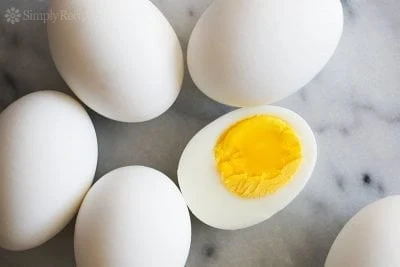
The humble egg is a powerhouse of nutritional goodness.
Eggs are full of things your body needs. They are a great source of protein, antioxidants, vitamins and minerals (such as vitamin A, vitamin D, vitamin E, folic acid and iron). In fact, eggs are one of the few foods that naturally contain vitamin D. Eggs are good for your brain. Egg yolks contain choline, an important nutrient that helps brain development. And choline is also good for brain plasticity, which may help protect you from memory loss and other signs of cognitive decline as you get older.
Eggs are also a great energy source. A large egg (around 60 grams) provides around 300 kilojoules.
And if you’re wondering if you should eat the yolk, the answer is yes. The white contains most of the egg’s protein, and most of the magnesium, potassium, riboflavin and niacin found in eggs. But, all of the vitamin A, D, and E is in the yolk, as well as essential fatty acids. And so is most of the energy. So opt for an omelette with the yolks in!

Knowing how many eggs to eat
Eggs are an essential part of a healthy, balanced diet. The Australian Dietary Guidelines include eggs in the ‘lean meats and poultry, fish, eggs, tofu, nuts and seeds and legume/beans’ group as a meat alternative.
A serve of eggs is two large eggs (around 60 g each), and the guidelines recommend that you eat 1–3 serves of protein-rich foods from this group every day.
According to the Dietary Guidelines (p. 51), most recent evidence suggests there are no health risks associated with eating eggs. People once thought that because eggs naturally contain cholesterol, eating them may lead to high blood cholesterol levels. There is now good evidence to show that there is no link between eating foods with cholesterol and the risk of high cholesterol or heart disease.
The Dietary Guidelines have also reported no association between eating eggs each day, and the risk of heart disease.
Healthy ways to cook eggs
Are there eggs in your fridge? If the answer is yes then you are not far away from a nutritious and tasty meal.
- Eggs are the perfect way to start the day. Boil an egg and squash it onto a piece of toast with avocado.
- For a healthy lunch, it’s hard to go past a fresh tuna salad. Just empty your favourite can of tuna into a bowl with some tomatoes, avocado, cucumber and a boiled egg.
- Scrambled egg is fantastic and fast finger food for toddlers.
- Eggs are comfort food at its best. A soft-boiled egg with buttery fingers of toast is perfect for Sunday night dinner.
- Eggs are versatile and can be used in many sweet or savoury dishes. Quiches, frittatas, zucchini slice, custard and pavlova are just a few ideas.
Handle eggs with care
So, we know eggs are good for us, but we do need to be careful about how we handle and cook them. Food containing raw or minimally cooked eggs can contain salmonella. But you can minimise this risk by following these safety tips when handling and cooking eggs.
- Vulnerable people should not eat food containing raw eggs.
- If you are preparing any foods that contain raw eggs, try to do it as close to serving time as possible.
- Have a good look at your eggs before using them. If they are cracked, throw them in the bin.
- Store your eggs in the fridge in the cardboard carton you buy them in.
- If you have your own hens, collect the eggs each day.
Keeping Backyard Chickens – What you should know
Following these few simple steps can help to make sure that keeping chickens is a positive experience and reduce the chances of you or your family from becoming sick.
- Wash your hands thoroughly with soap and water as soon as possible after touching chickens or collecting eggs.
- Adults should supervise hand washing for young children.
- Supervise young children closely when they are around chickens.
- Don’t eat or drink around live poultry.
- Have a dedicated pair of shoes or boots to wear inside the chicken enclosure.
- Wear gloves when you are cleaning out the chicken enclosure.
Eggs and pregnancy
There is no reason to stop eating eggs while you’re pregnant. Just make sure they are cooked. You can keep eating boiled or poached eggs throughout your pregnancy, just cook them until the yolks are firm.
Eggs and young children
Eggs are a fantastic food for kids. Infant Feeding Guidelines recommend that you introduce solid foods to your child at around six months. It’s best to offer your infant cooked eggs regularly before they reach 12 months of age.
Eggs and vaccines
Some vaccines contain egg proteins. If you have an egg allergy, it is important that you let your doctor or nurse know before your vaccination.
So many choices
Many of the claims relate to the way the chickens are farmed or housed. Free-range eggs are laid by a chicken that is not closely confined and has some access to outdoor spaces. Cage-free eggs are also called barn laid eggs.
Remember:
- Eggs are nutritious, tasty and easy food for you and your family.
- There are lots of egg recipes and ideas that you can use every day.
- Handle eggs with care.
- Egg allergies can affect young children, but most grow out of their allergy.
- For most people, the benefits of eating eggs outweigh the risks.